In the last episode of "What the Fork?", we were hunched over the tank of a Cafe Racer, doing 100mph with our knees around our ears. Today, we are doing the exact opposite. We are putting our feet forward, leaning back, and letting the torque do the work. This is cruiser history, and it is all about the attitude.
Cruisers are the heavyweights of the bike world. They aren't designed to win races (traffic light GPs aside); they are designed to make a statement. Whether you love the potato-potato-potato sound of a Harley or you prefer the turbine whistle of a Rocket 3, the cruiser is a vital part of the biking family.
1. Born in the USA: The V-Twin Legacy
You can't talk about cruiser history without talking about America. While the Brits were building nimble parallel twins to race around country lanes, the Americans had thousands of miles of straight, open highway. They didn't need cornering clearance; they needed comfort and stability.
Harley-Davidson and Indian Motorcycles defined this genre as far back as the 1930s. Big, heavy frames, massive V-Twin engines, and lots of metal.
After World War II, returning soldiers bought surplus military bikes and started hacking bits off to make them lighter and faster. They "bobbed" the fenders and "chopped" the frames. The "Bobber" and the "Chopper" were born. This wasn't something you bought from a dealer; it was something you built in your garage with a welding torch and a bad attitude.
If you're riding a cruiser with forward controls for the first time, practice your U-turns in a car park first. Having your feet miles away from your centre of gravity makes slow-speed handling feel like you're steering a canal boat.

2. 1969: The Easy Rider Effect
If there is one moment that cemented the cruiser in the public consciousness, it is the release of the movie Easy Rider in 1969. Before that, bikes were transport. After that, they were freedom.
Peter Fonda's "Captain America" chopper, with its ridiculous raked forks and ape hanger handlebars, became the most famous motorcycle in the world. Suddenly, everyone wanted to be a rebel. They didn't care that the bike handled terribly or that your hands went numb after ten miles. It looked cool, and that was all that mattered.
This era moved the cruiser from a practical machine to a lifestyle choice. It became about the leather vest, the open-face helmet, and the freedom of the road.
3. The Japanese Invasion: Metric Cruisers
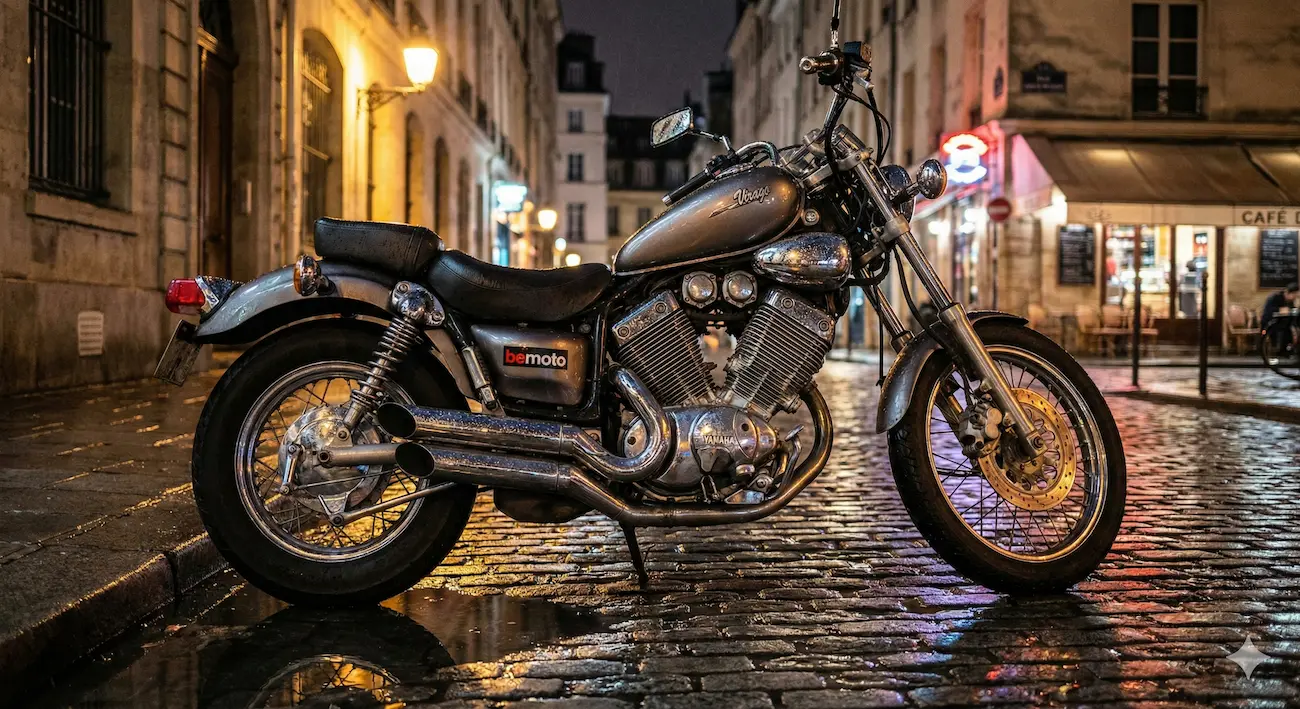
By the 1980s, the Japanese manufacturers looked at the massive sales Harley was getting and thought, "We can do that." But being Japanese, they decided to do it without the oil leaks and the electrical failures.
This gave us the "Metric Cruiser". Bikes like the Yamaha Virago, the Honda Shadow, and the Kawasaki Vulcan.
- Reliability: They started every morning.
- Performance: They were often faster than the American equivalents.
- Price: They were significantly cheaper.
Hardcore Harley fans sneered at them, calling them clones. But for thousands of riders, they offered the cruiser look and feel without the need to carry a toolkit on every ride. This expanded cruiser history globally, making the style accessible to everyone, not just mechanics.
Modded Your Cruiser?
Sissy bars, custom pipes, or a stage 1 tune? We cover modifications as standard.
Get a Custom Bike Quote4. The Power Cruiser Era
In the 2000s, things got silly (in a good way). Manufacturers decided that "laid back" shouldn't mean "slow".
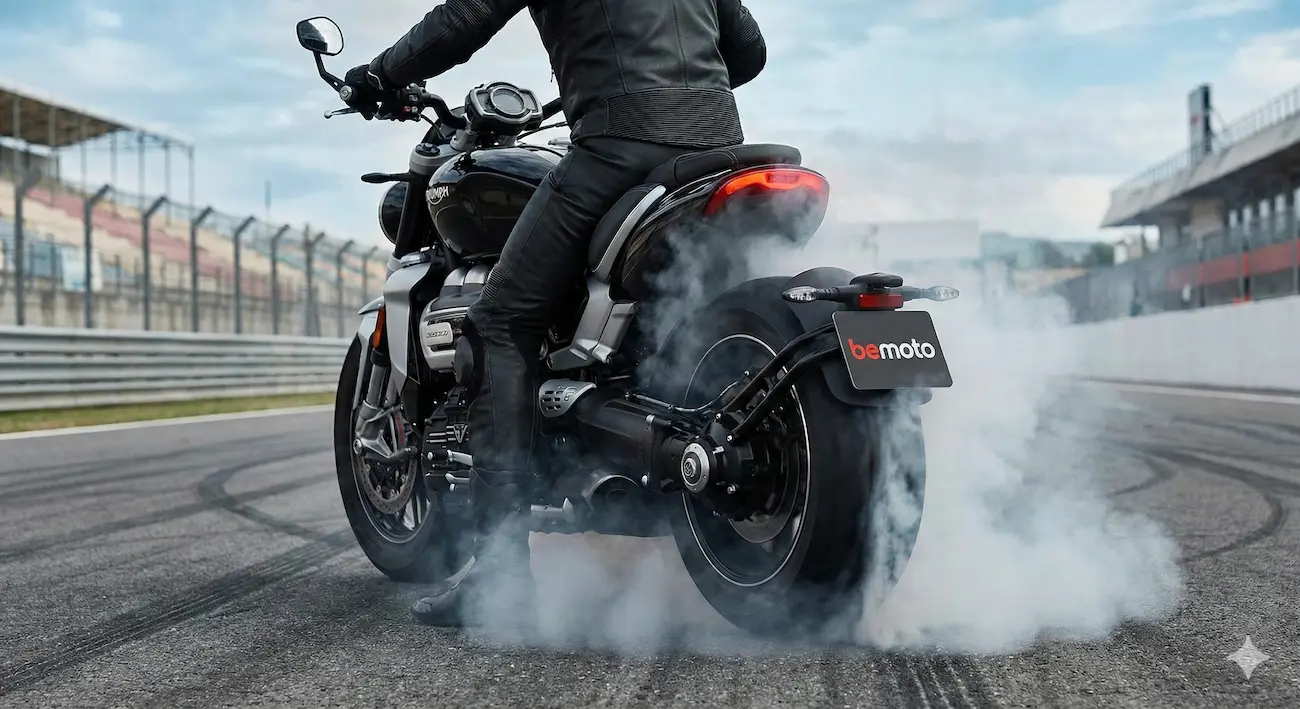
- Triumph Rocket 3: A 2.3 (now 2.5) litre engine. That is bigger than the engine in my van. It produces enough torque to pull a house down.
- Ducati Diavel: Ducati took their superbike tech and shoved it into a cruiser chassis. It handles like a sports bike but looks like a beast.
- Harley V-Rod: Developed with Porsche, this was a water-cooled, high-revving departure from tradition.
These bikes proved that you could have the cruiser riding position and still leave a sports bike standing at the traffic lights.
5. Chrome, Polish, and Insurance
Owning a cruiser is different from owning a commuter bike. For a start, you spend 50% of your time riding it and 50% of your time polishing the chrome.
Cruiser owners also love to modify. It starts with a louder exhaust (because loud pipes save lives, apparently). Then it's a new seat, some saddlebags, a sissy bar, and maybe some custom paint. Before you know it, you've spent more on accessories than you did on the bike.
This is where insurance gets important.
- Modifications: You must tell your insurer about the changes. If you have added £2,000 worth of chrome and don't declare it, you won't get paid out for it if the bike is stolen.
- Theft: Cruisers are desirable. They are often targets for thieves, especially the big-name brands. Good security is non-negotiable.
- Laid Up Cover: Many cruisers are "fair weather" bikes. If you SORN your bike over the winter to keep the salt off that precious chrome, get Laid Up Insurance. It protects the bike from theft and fire while it's tucked up in the garage.
Final thoughts
The cruiser is the antidote to the rush of modern life. It forces you to slow down (sometimes literally, because the brakes aren't great) and enjoy the journey. It is about feeling the engine, looking at the scenery, and arriving in style.
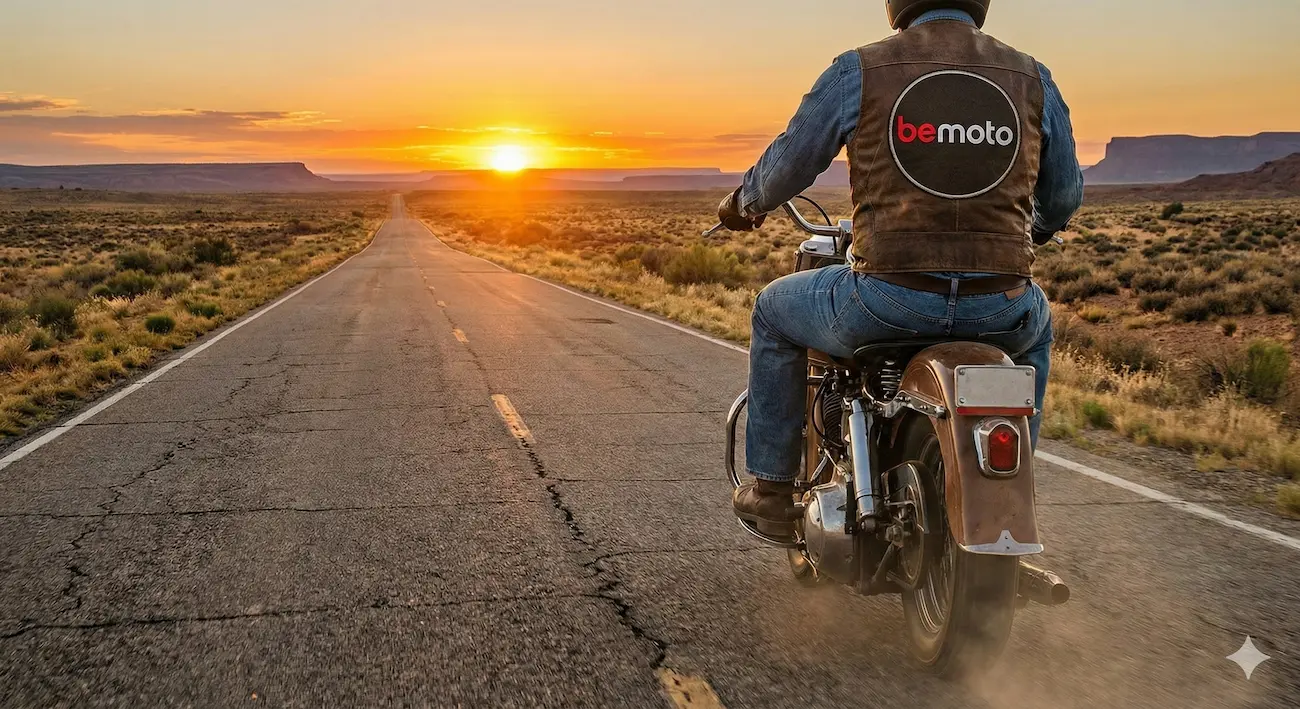
So put on your open-face lid, polish your chrome, and go find a sunset to ride into.
For more information on legal modifications, especially regarding exhausts and noise, check the government guidance on motorcycle noise limits.