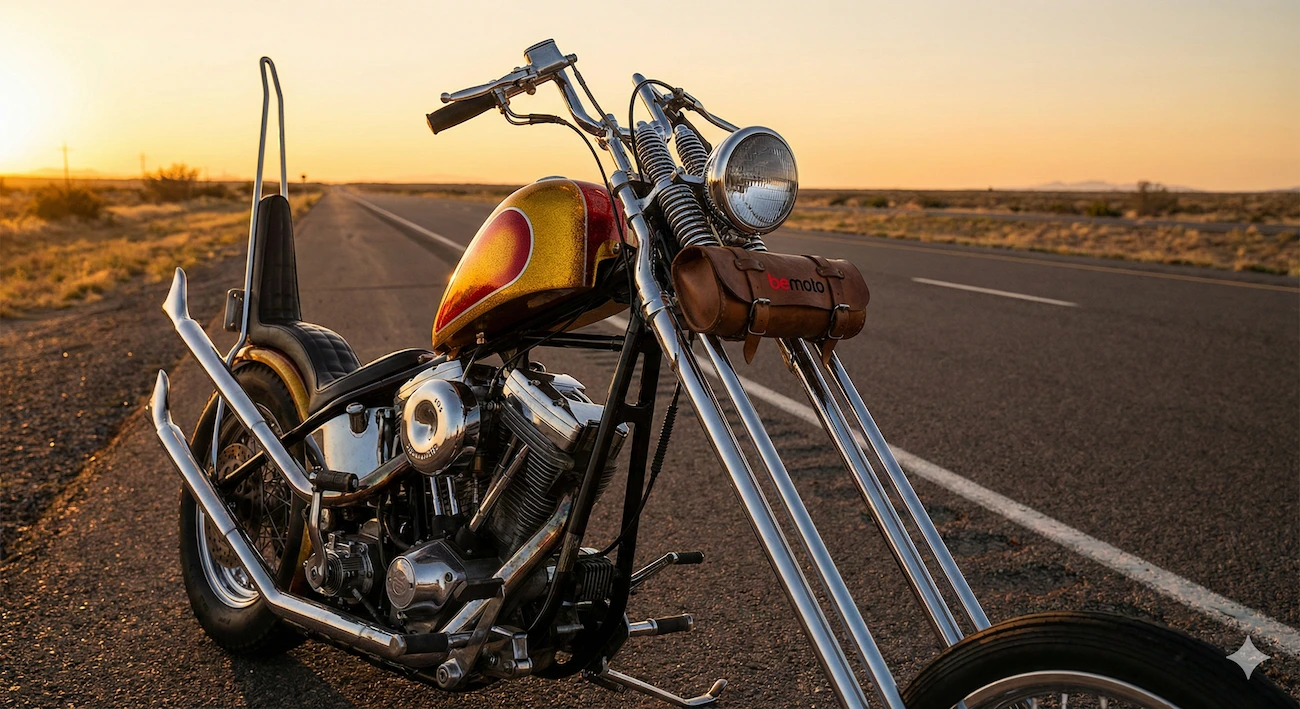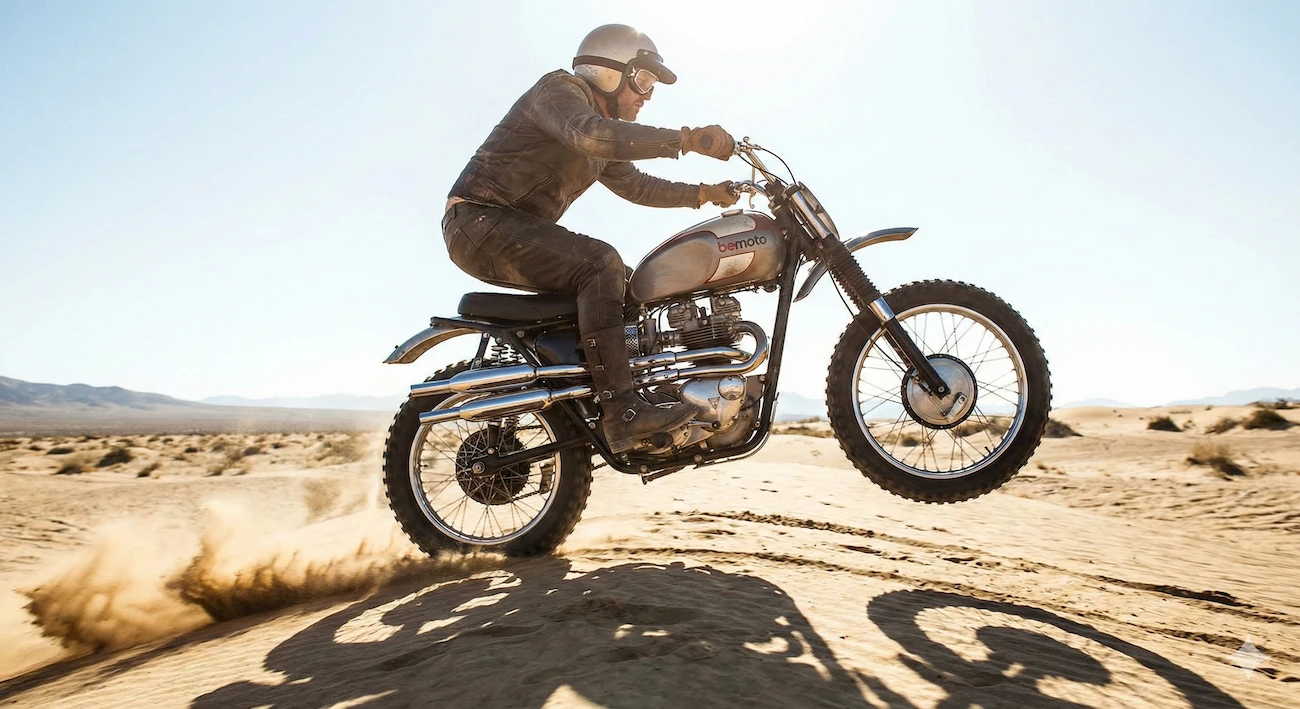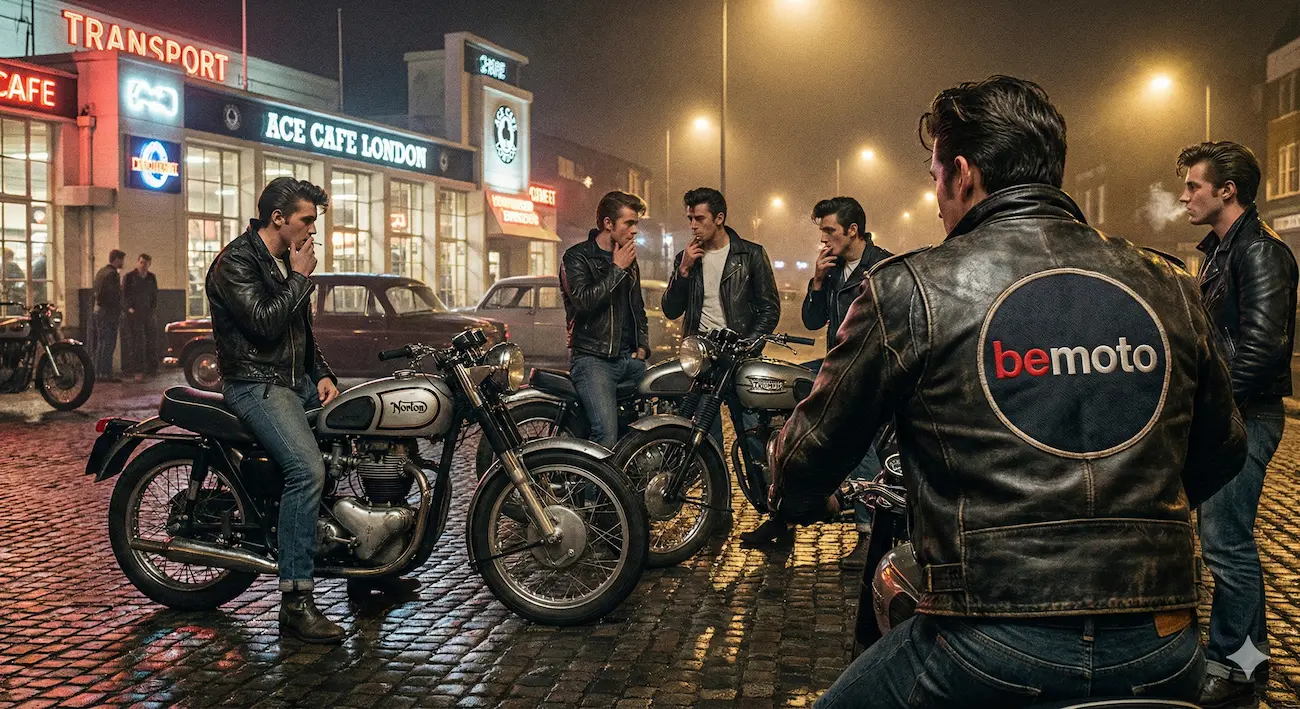

We have reached the end of the road. Over the last twelve blogs, we’ve covered everything from the humble scooter to the 200bhp superbike. We’ve looked at machines built for speed, comfort, mud, and style.
But for some riders, a factory bike is just a blank canvas. It’s a suggestion, not a finished product.
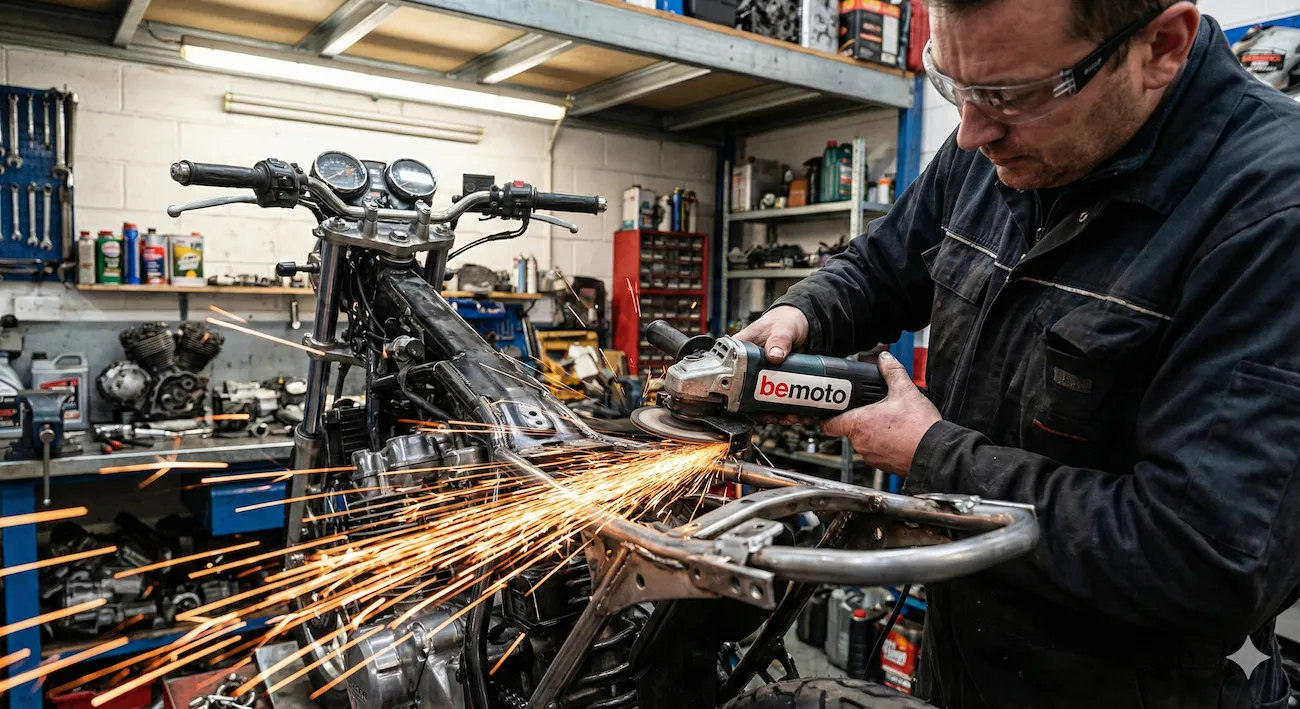
Welcome to the final installment of "What the Fork?", where we fire up the angle grinder and explore custom bike history.
1. Why Do We Modify?
Humans can't leave things alone. It’s in our DNA. You buy a house; you knock a wall down. You buy a jacket; you sew a patch on it. You buy a bike; you immediately swap the exhaust and the mirrors.
Customising is about ownership. It’s about saying, "This is mine, and there isn't another one like it." Whether it’s a simple "tail tidy" to remove that ugly plastic number plate hanger, or a full-blown frame-chop, modifying your bike is the ultimate expression of biker identity.
2. The Shed Build vs. The Pro Build
Custom bike history is split into two camps.
First, you have the Shed Builders. This is you and me. It involves cold nights in a garage, too much coffee, and watching YouTube tutorials on how to weld without blinding yourself. The results are often... "unique". But there is a massive sense of pride in riding something you built with your own scarred hands.
Then, you have the Pro Builders. These are the artists. People like the late Arlen Ness in the chopper world, or modern legends like Untitled Motorcycles or deBolex Engineering. These guys don't just bolt bits on; they fabricate entirely new parts. They turn motorcycles into rolling sculptures that cost more than my house.
Is Your Custom Covered?
Spent thousands on mods? Standard insurance won't cover them. We offer agreed value policies for true custom builds.
Get Custom Bike Quote3. The New Wave: Brats, Bobbers, and Hipsters
Around 2010, the custom scene exploded. It moved away from the long-forked choppers of the 2000s and went back to basics. This was the "New Wave" custom scene.
Suddenly, old BMW airheads (R80s/R100s) and Honda CX500s (previously known as the "plastic maggot") became desirable.
The style was rough and ready:
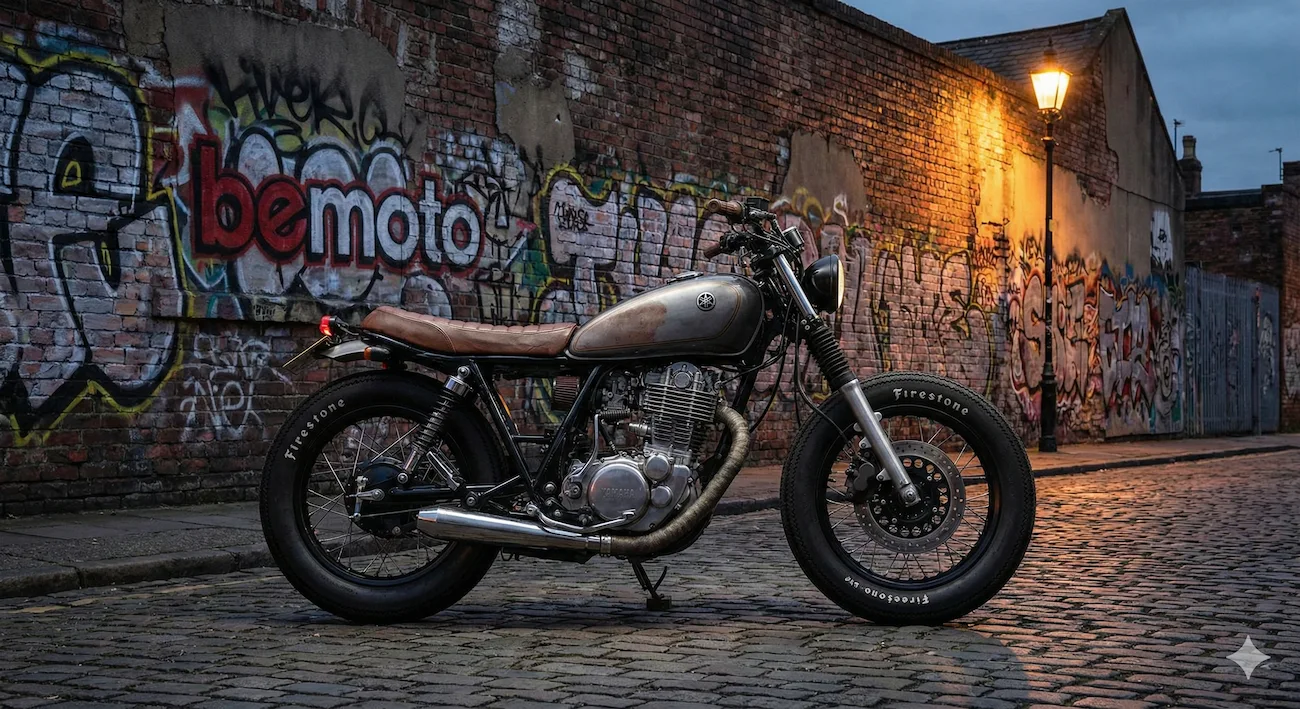
- Brat Style: Originating from Japan, this involves a flat seat, low suspension, and vintage tyres. It looks cool, but handles like a wheelbarrow.
- Cafe Racers (Revived): The clip-ons and humped seats of the 60s came back with a vengeance.
- Scramblers: As we discussed in part five, putting knobbly tyres on road bikes became the law for any self-respecting custom builder.
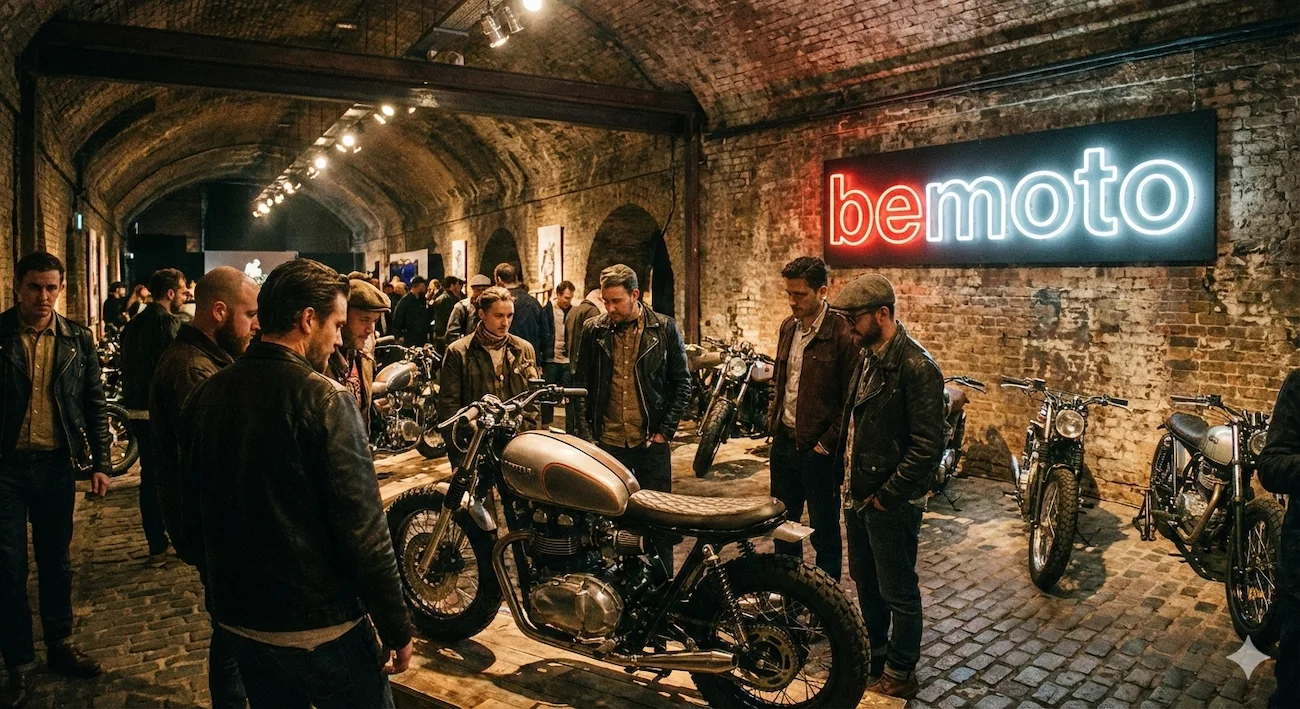
This scene gave birth to huge events like the Bike Shed Moto Show in London, where leather jackets and flat whites are the order of the day. Some people mock the "hipster" biker, but honestly? They saved a lot of old bikes from the scrapheap and got young people riding again.
If you are removing the airbox to fit "pod filters" because they look cool, prepare for a nightmare. CV (Constant Velocity) carbs hate pod filters. You will spend six months trying to jet them correctly, and the bike will still run like a tractor in the rain. Keep the airbox if you want it to actually work.
4. The Manufacturer Response
The custom scene got so big that the big manufacturers couldn't ignore it. They started building "factory customs".
BMW launched the R nineT, a bike designed specifically to be modified. Triumph revamped the Bonneville range with over 100 official accessories. Yamaha launched the "Yard Built" program, giving bikes to custom builders to see what they could do.
It’s a bit weird buying a "custom" bike off the showroom floor, but it means you get the look without the oil leaks and the dodgy wiring.
5. The Insurance Nightmare (And How We Fix It)
Here is the boring but important bit. Most insurers hate modified bikes. You tell them you’ve changed the indicators, and they act like you’ve fitted a warp drive.
At BeMoto, we are different. We are owned and run by bikers. We have modified bikes in our own garages.
- Like-for-Like: If you have an Akrapovič exhaust and you crash, we replace it with an Akrapovič, not a standard tin can.
- Agreed Value: If you have spent £10,000 customising a bike that is "book valued" at £2,000, we can agree a value that reflects the work you've put in.
- Declared Mods: We don't charge extra for simple mods like exhausts or screens on many policies. Just tell us what you've done.
Final thoughts
And that’s a wrap on "What the Fork?". We’ve travelled through time, across continents, and through every genre of motorcycle imaginable.
Whether you ride a stock scooter or a £50,000 custom chopper, the important thing is that you ride. Bikes are freedom. They are community. They are life.
Thanks for reading. Now, get off the internet, open the garage door, and go for a ride.
(But maybe check your tyre pressures first).
For guidance on what modifications require an MSVA test (if you've gone really wild with the angle grinder), check the gov.uk vehicle approval pages.