We’ve covered the tarmac-loving Cafe Racers and the chrome-plated Cruisers. Now it is time to leave the road behind. If you like getting mud in your teeth and believe that a "road closed" sign is just a suggestion, this one is for you. We are talking about scrambler history.
The scrambler is the grandfather of the modern adventure bike. It’s the bike that proved you didn't need a plastic-clad motocrosser to have fun in the dirt. It’s Steve McQueen jumping a barbed-wire fence. It’s cool, capable, and currently making a massive comeback.
1. What Exactly is a Scrambler?
Before we get into the timeline, let’s define what we are looking at. A traditional scrambler is essentially a road bike that has been modified to cope with off-road terrain.
It’s a simple recipe, but it works:
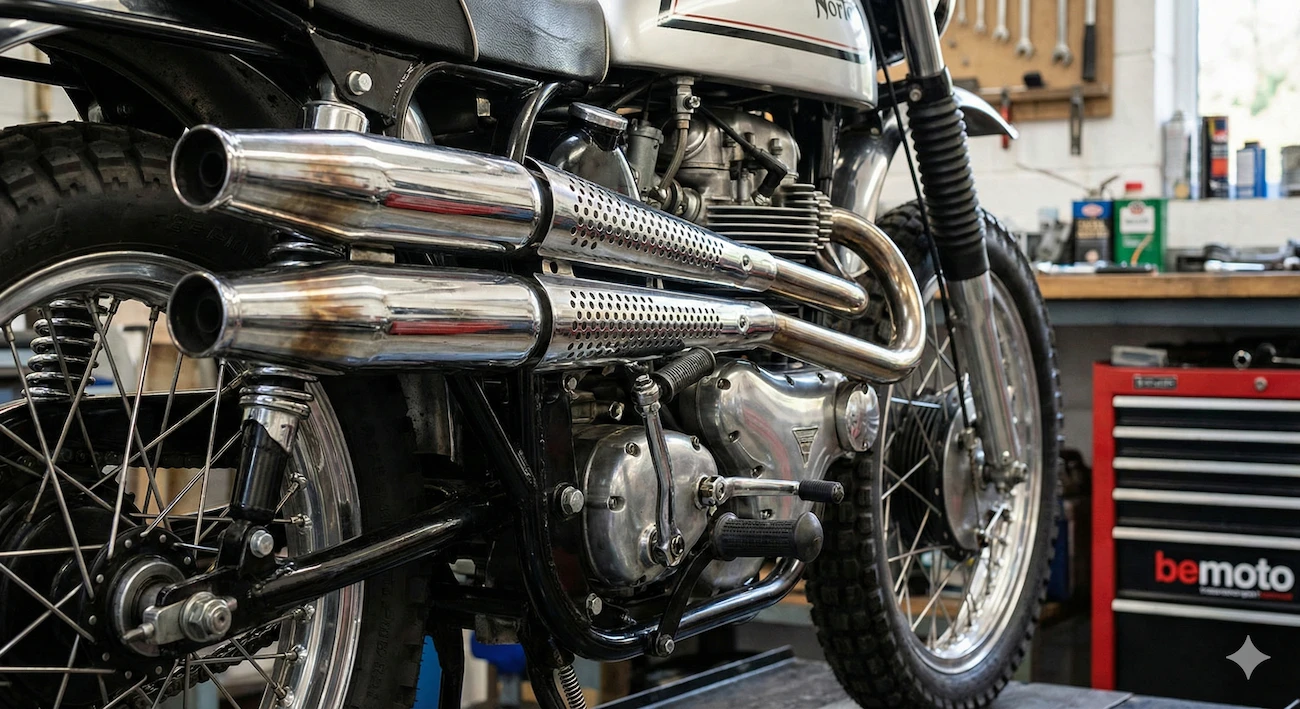
- High Pipes: You lift the exhaust pipes up high so they don't get smashed on rocks or logs. It also stops you burning your legs if you fall off (in theory).
- Knobbly Tyres: Slick road tyres are useless in mud. You need aggressive tread blocks to find grip.
- Wide Handlebars: These give you more leverage to wrestle the bike through deep sand or ruts.
- Bash Plate: A metal tray under the engine to stop stones from cracking the crankcase.
2. The Origins: "Scrambling" for the Finish Line
Scrambler history dates back to the early 20th century in the UK. The sport wasn't called motocross back then; it was called "Scrambling". The idea was simple: a bunch of riders would race from point A to point B. The fastest way was usually a straight line across fields, streams, and hills.
Riders took their rigid-framed road bikes—BSAs, Nortons, Triumphs—and stripped off the lights and mirrors. It was brutal. Suspension travel was measured in millimetres, not inches. If you hit a bump, your spine took the impact.
But the real explosion of the style happened across the pond.
Building a Desert Sled?
We love a modified bike. From bash plates to exhaust swaps, we ensure your mods are covered.
Get a Custom Bike Quote3. The Desert Sled Era
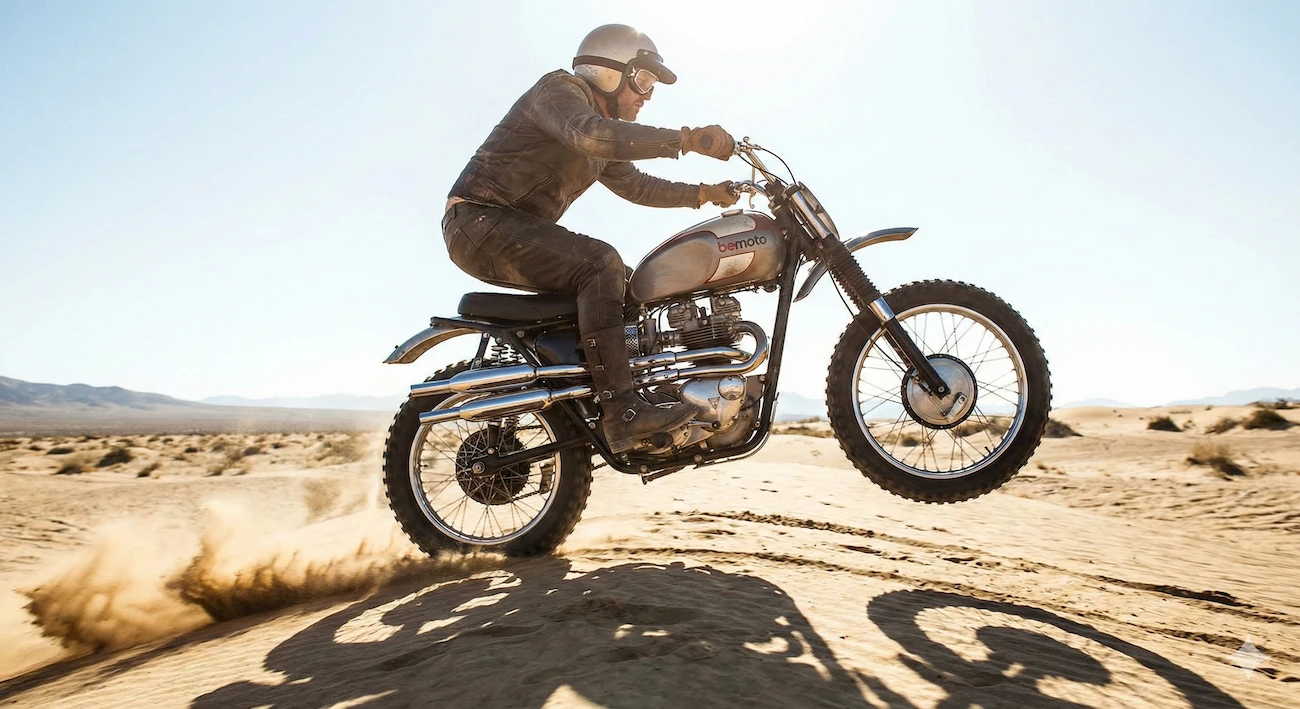
In the 1960s, Southern California became the spiritual home of the scrambler. Riders wanted machines that could handle the wide-open deserts of the Mojave. They took big British twins, like the Triumph TR6, and turned them into "Desert Sleds".
These bikes were heavy, powerful, and virtually indestructible. They had to be.
The icon of this era is undoubtedly Steve McQueen. The "King of Cool" was a genuine racer. In the movie The Great Escape, that famous jump wasn't done on a German military bike; it was done on a disguised Triumph TR6 scrambler. (Fun fact: McQueen did most of the riding, but the actual jump was done by his stunt double and friend, Bud Ekins).
This cemented the look. If you wanted to be cool, you rode a Triumph with high pipes and dusty boots.
Thinking of putting knobbly tyres on your road bike for the "scrambler look"? Be careful. Big block tyres like TKC80s look great, but they are sketchy on wet tarmac and handle like a shopping trolley on roundabouts. Adjust your riding style accordingly.

4. The Death and Rebirth
By the late 70s, scrambler history hit a wall. The Japanese manufacturers (Yamaha, Honda, Suzuki) started building dedicated off-road bikes. The Yamaha DT-1 and later the dedicated motocross bikes were lighter, had better suspension, and were two-strokes. The heavy, modified road bikes couldn't compete. The scrambler died out, replaced by the enduro bike.
But, as with everything in fashion, it came back. About ten years ago, the "custom scene" exploded. People started taking old bikes and turning them into scramblers again.
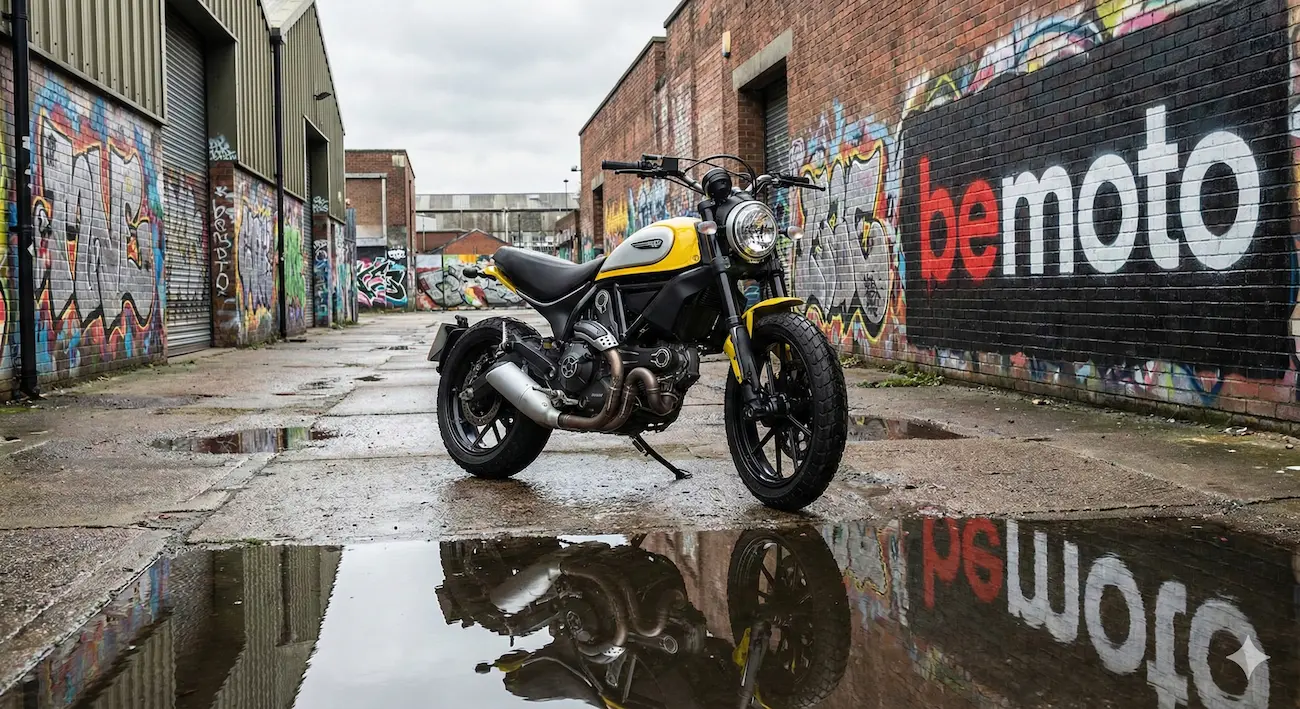
Then Ducati launched the "Scrambler" sub-brand. It was a massive hit. It captured the 60s vibe but with modern brakes and reliability. Triumph followed suit with the Street Scrambler and the genuinely capable Scrambler 1200.
Suddenly, everyone from BMW (R nineT Scrambler) to Fantic (Caballero) was building them.
5. Style Over Substance?
There is a bit of an argument in the biking world about modern scramblers. Are they just "hipsters" posing, or can they actually do the business?
It depends on the bike.
- The Posers: Some are just road bikes with brown seats and slightly chunkier tyres. They will struggle if you show them anything muddier than a puddle in a Waitrose car park.
- The Real Deal: Bikes like the Triumph Scrambler 1200 XE or the Ducati Desert Sled are serious bits of kit. They have long-travel suspension and proper off-road geometry. You can genuinely race these things off-road.
Personally, I don't care. If it gets people riding and looking back at their bike with a smile, it's a win.
6. Insuring the Dirt
If you own a scrambler, you need to think about how you use it.
Most insurance policies cover "green laning" (riding on byways open to all traffic) as long as the bike is road legal. However, if you plan to take it to an off-road track or enter a competition, standard road insurance won't cover you. You'd need specialist track or race cover for that.
Also, watch out for modifications. Scrambler owners love to tinker. Tail tidies, aftermarket exhausts, handlebar risers. Make sure you declare them. We are enthusiasts at BeMoto, so we understand why you do it, but we need to know about it.
Final thoughts
Scrambler history is about versatility. It's about a bike that can take you to work on Monday and across a mountain range on Sunday. It represents a time when one bike had to do everything.
So, whether you are riding a £15,000 Triumph or a shed-built Honda dominator with a hacksawed subframe, embrace the dirt. Just remember to wash it occasionally.
For more information on where you can legally ride off-road in the UK, checking the Trail Riders Fellowship is a great place to start.