
We have arrived at part seven of the "What the Fork?" series, and things are about to get weird. We are adding a wheel.
That's right, we are looking at trike history.
Trikes occupy a strange space in the motoring world. To car drivers, you are a lunatic exposed to the elements. To bikers, you are... well, let's just say "eccentric". You get wet like a biker, but you sit in traffic queues like a car driver. On paper, it makes no sense.
But if biking was about making sense, we’d all be driving beige Toyota Priuses. Trikes are about freedom, individuality, and not having to put your foot down at traffic lights.
1. The Early Days: Not Just for Toddlers
The very first "motorcycles" were often tricycles. The De Dion-Bouton, built in France in the late 1890s, was a trike. Why? because early engines were heavy, balancing was hard, and the roads were terrible. Having three wheels meant you didn't fall over every time the engine spluttered and died (which was often).
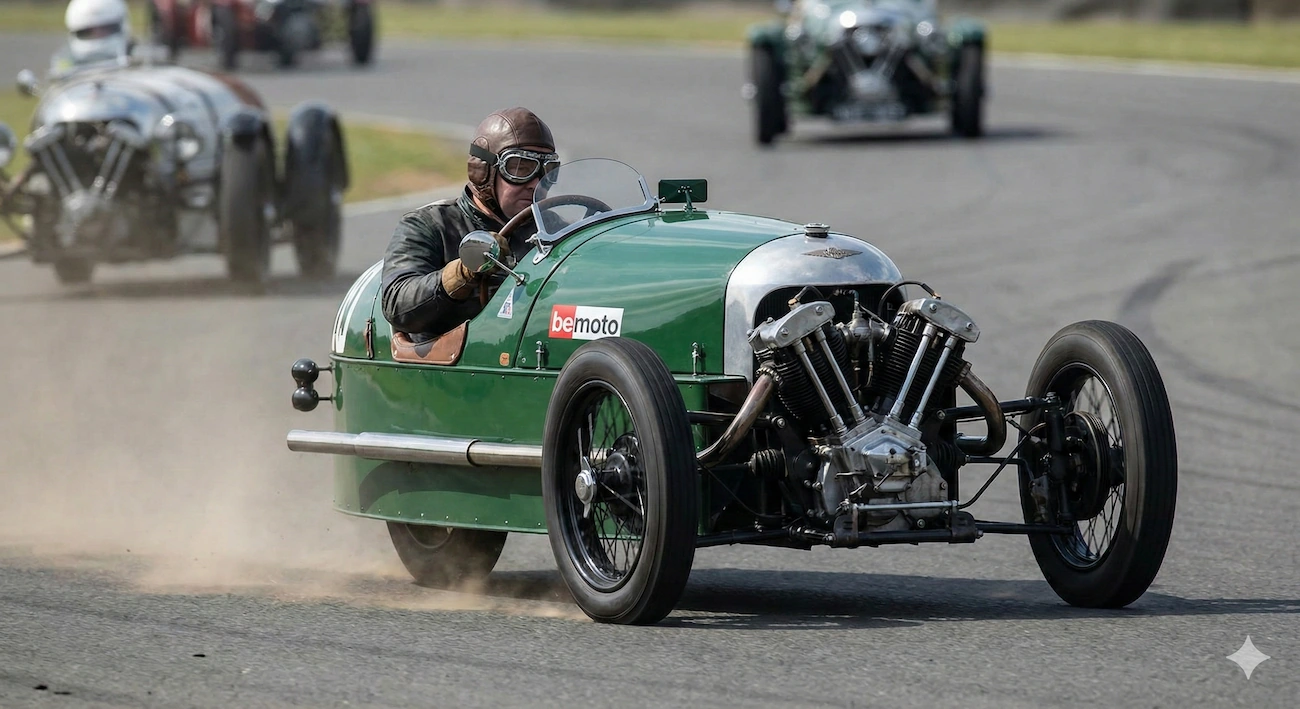
Then you had the Morgan three-wheelers in the UK. These weren't really "bikes" as they had steering wheels and seats, but they used bike engines (JAP V-twins) mounted right at the front. They were fast, scary, and thanks to a tax loophole, cheap to run.
But trike history for the average biker really starts later, when people decided that two wheels just wasn't enough chrome.
Got a Trike?
From custom VW conversions to factory Harley Tri-Glides, we speak your language.
Get a Trike Quote2. The Chopper Era and the Beetle Engine
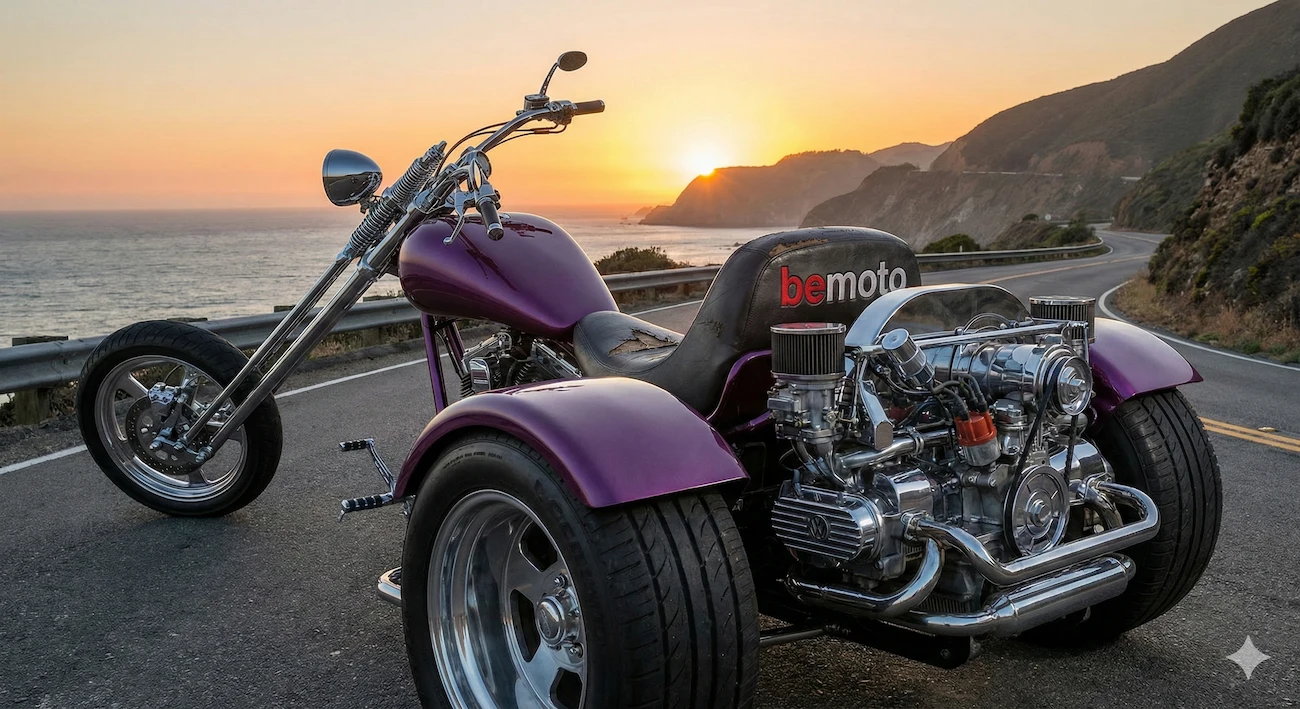
In the 1970s, the custom trike scene exploded. It was heavily influenced by the chopper culture we talked about in the last blog.
The recipe was simple:
- Take the front end of a motorcycle (forks, handlebars, wheel).
- Take the back end of a VW Beetle (engine, axle, wheels).
- Weld them together with some scaffold pipe.
- Paint it purple flake and add a seat that looks like a king's throne.
These machines were beasts. The air-cooled VW flat-four engine was reliable and easy to tune, and because the weight was all over the back wheels, they could pop wheelies if you weren't careful.
This era defined the "classic" trike look. Hardtail frames, springer forks, and enough luggage space to move house. They were built in sheds across the country by people who were handy with a welder and didn't care much for cornering physics.
Steering a trike is NOT like steering a bike. There is no counter-steering. If you want to go left, you physically turn the bars left. It requires actual upper body strength on tight corners. It's less "gliding" and more "wrestling a bear".
3. Bike-Based vs. Car-Based
There are generally two schools of thought in trike history:
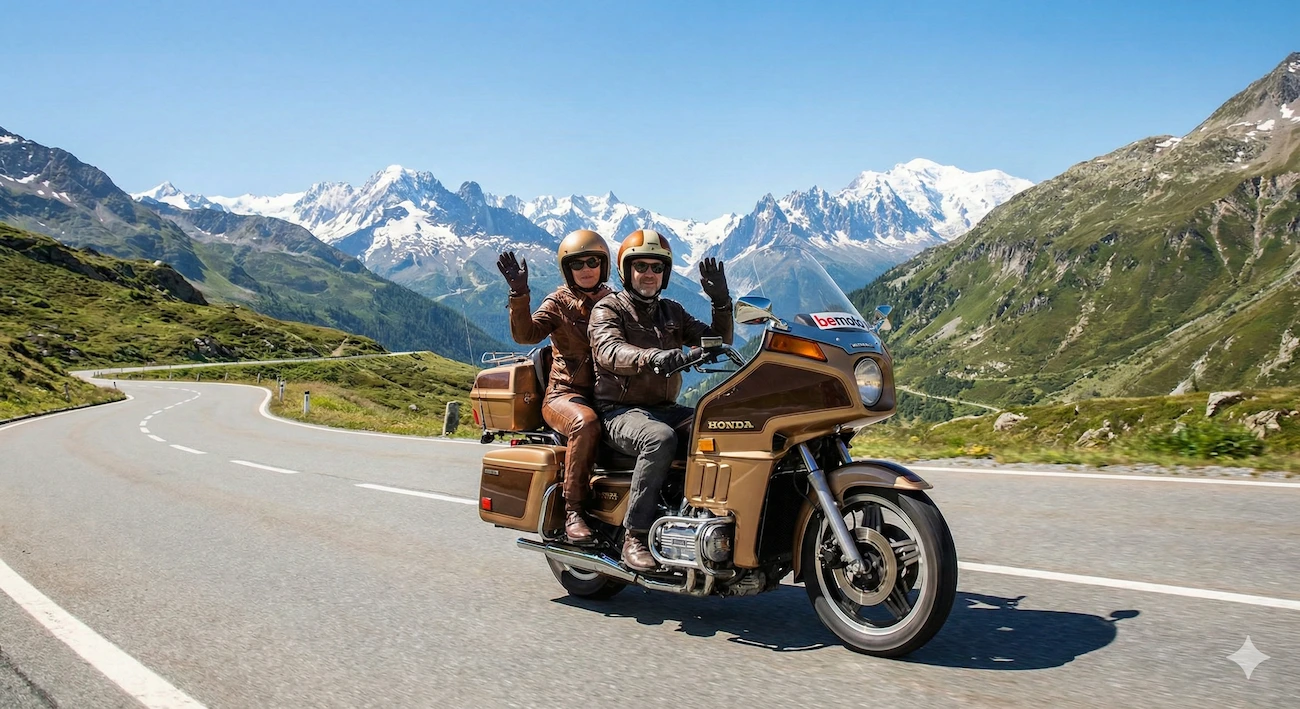
- The Bike Conversion: You take a big cruiser—like a Honda Gold Wing or a Triumph Rocket 3—and you replace the rear wheel with a specialist axle. The front half stays strictly motorcycle. These are great because you keep the rider ergonomics and the controls, but gain stability.
- The Car Engine Custom: Manufacturers like Rewaco and Boom Trikes build these from the ground up. They use car engines (Ford or VW usually) and giant rear tyres. They are essentially open-top cars with handlebars. They are super comfy, often have automatic gearboxes, and are the size of a small tank.
4. The Modern Era: Factory Built Luxury
For years, if you wanted a trike, you had to build it or buy a kit. But recently, the big manufacturers woke up.
Harley-Davidson released the Tri Glide. It’s a factory-built trike with a warranty, reverse gear, and an infotainment system. It opened up the world of touring to people who maybe didn't have the leg strength to hold up a 400kg tourer anymore.
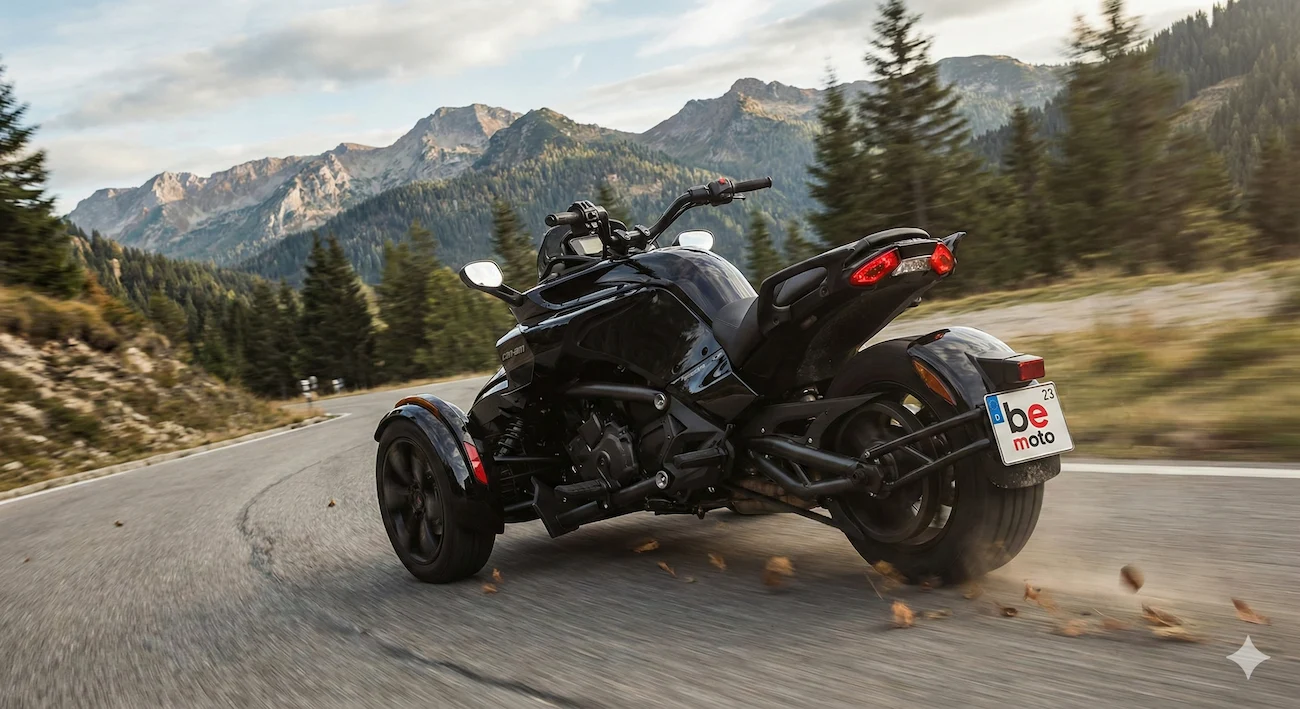
Then you have the Can-Am Spyder. This flipped the script—literally. Two wheels at the front, one at the back. It looks like a snowmobile, has power steering, traction control, and ABS. It handles much better than a traditional trike because you don't have that tipping sensation in corners. It’s high-tech, fast, and has attracted a whole new generation to three wheels.
5. The Licence Loophole
One of the biggest drivers of trike history in the UK is the licence laws.
Depending on when you passed your car driving test (specifically if it was before January 2013) and the weight of the machine, you can ride many trikes on a full car licence. You don't need a helmet by law (though you’d be mad not to wear one), and you don't need to do a CBT.
This makes trikes a massive gateway for people who love the idea of open-air motoring but don't want the hassle of doing a full bike test. It also allows disabled riders, who might struggle with the balance or controls of a two-wheeler, to keep riding. And that, in my book, is a brilliant thing.
Final thoughts
Trikes might get some stick from "purist" bikers, but they are a vital part of the community. They offer stability, luggage space, and a road presence that a Volvo driver can't ignore.
Whether it’s a terrifying home-built chopper from the 80s or a sleek Can-Am, three wheels is just another way to enjoy the road. Just watch out for the width of those rear arches when you're filtering... or rather, not filtering.
For the exact rules on what you can ride and when, always check the government guidance on driving licence categories.