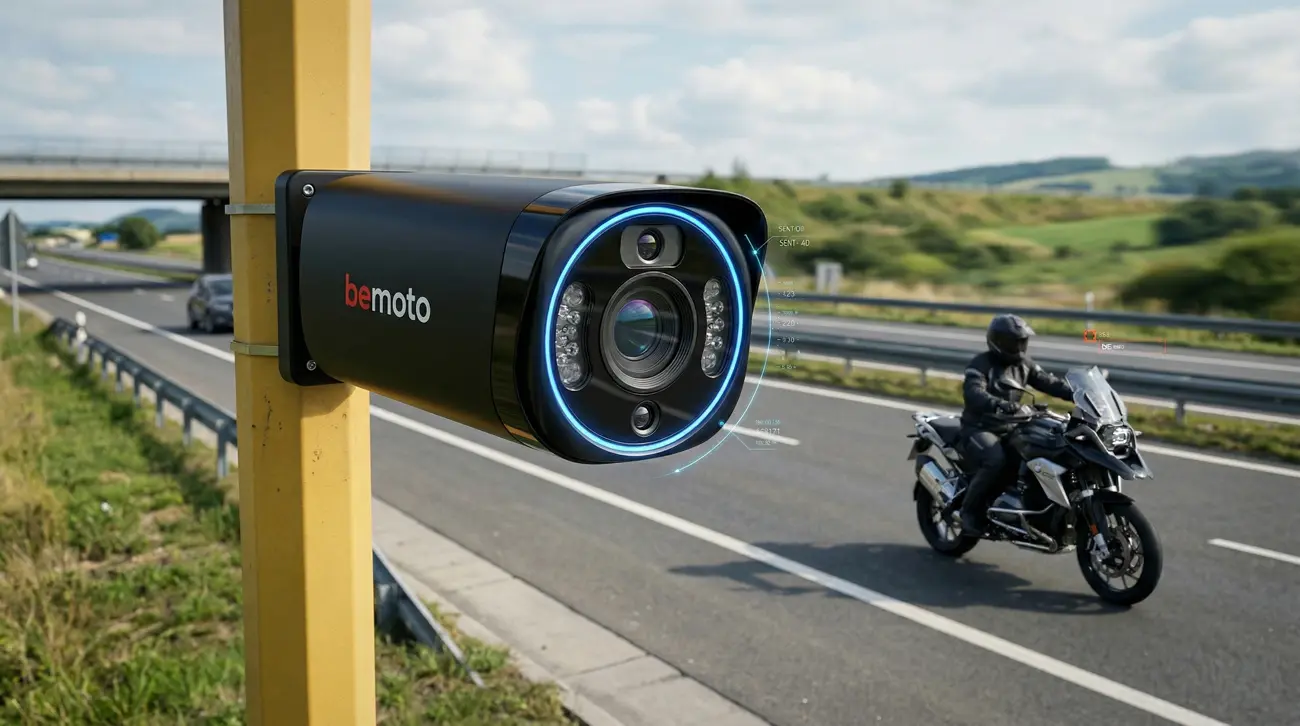
New "4D" surveillance systems are being deployed across the UK's major motorway networks this week. These units represent a significant shift in traffic enforcement technology. Authorities claim the new 4D speed cameras utilize advanced neural networks to go beyond traditional speed tracking. Initial reports suggest these cameras can identify a driver's "intent" to speed by analyzing micro-behaviours.
Internal documents leaked online describe a system that monitors the "psychological profile" of road users. By measuring vehicle position, throttle response, and even the rider’s posture through high-definition imaging, the AI supposedly predicts an upcoming violation. This "pre-crime" detection model has sparked heated debates among civil liberties groups and motorcycle enthusiasts alike.
However, many riders are questioning the legality of such a system. Can a machine really issue a fine based on what it thinks you are about to do? As we look closer at the roll-out, the line between road safety and intrusive surveillance has never been thinner.
1. The Technology Behind 4D Speed Cameras
The core of the system is the Redspeed Sentio, a state-of-the-art 4D radar unit. Unlike the old Gatso boxes that rely on simple radar or induction loops, these units use multi-dimensional tracking. They can monitor up to six lanes of traffic simultaneously. The high-resolution sensors are capable of identifying specific vehicle models and individual rider gear from hundreds of yards away.
Authorities claim the "Fourth Dimension" refers to the temporal analysis of a rider's behaviour. If a rider is seen "preparing" for a high-speed overtake—shifting body weight or dropping a gear—the system flags them. This has led to the terrifying prospect of receiving a ticket before the speedometer even crosses the limit.
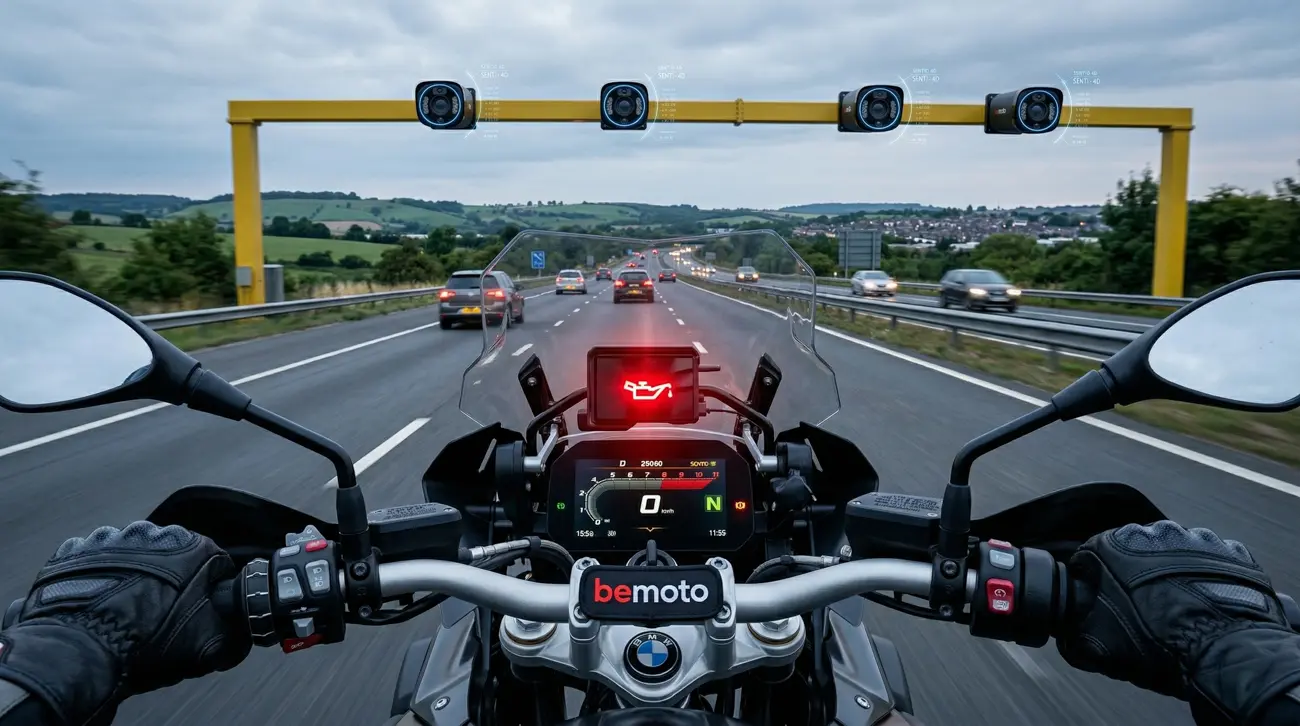
Meanwhile, the data is processed in real-time. The cameras are linked directly to national insurance and tax databases. This means the second you pass a 4D unit, it has already verified your MOT status and insurance validity. It is a comprehensive net designed to catch every possible infraction in one go.
2. Public Outcry and "Pre-Crime" Concerns
The backlash from the biking community has been instant. Social media is currently flooded with stories of riders being "profiled" by the new AI. One rider claimed they received a warning on their digital dash after simply glancing at an open stretch of road. The suggestion that 4D speed cameras can read a rider's mind sounds like science fiction, yet the reports keep coming.
Critics argue that this tech punishes the thought rather than the action. If a rider thinks about pinning the throttle to get away from a tailgating Audi driver, they shouldn't be penalized. Audi drivers are, after all, a constant hazard on British roads. Using AI to judge intent is a massive leap from measuring physical speed.
Because the system relies on high-definition cameras, it also monitors interior cabin activity in cars. It detects mobile phone usage and seatbelt compliance with frightening accuracy. For bikers, this means the AI is looking at your hands, your visor, and even your intercom usage.
If you're worried about cameras, just remember that the real ones aren't reading your thoughts. They're looking for phones and belts. Keep your eyes on the road and your phone in your pocket, and you'll stay invisible to the AI bots.

3. Separating Fact from Fiction: The April Fool's Sting
If you’ve made it this far and your heart rate is through the roof, I have some news for you. Take a look at the date. Yes, it’s April 1st. The idea that 4D speed cameras can read your mind or detect "intent" is a total wind-up. No machine is scanning your brainwaves through a helmet... yet.
However, the reason this joke is so effective is that the real tech is almost as impressive. The Redspeed Sentio and other AI-driven 4D radar cameras are very real. They don't read thoughts, but they do track multiple lanes in high-res. They are actively used to spot drivers using mobile phones and people not wearing seatbelts.
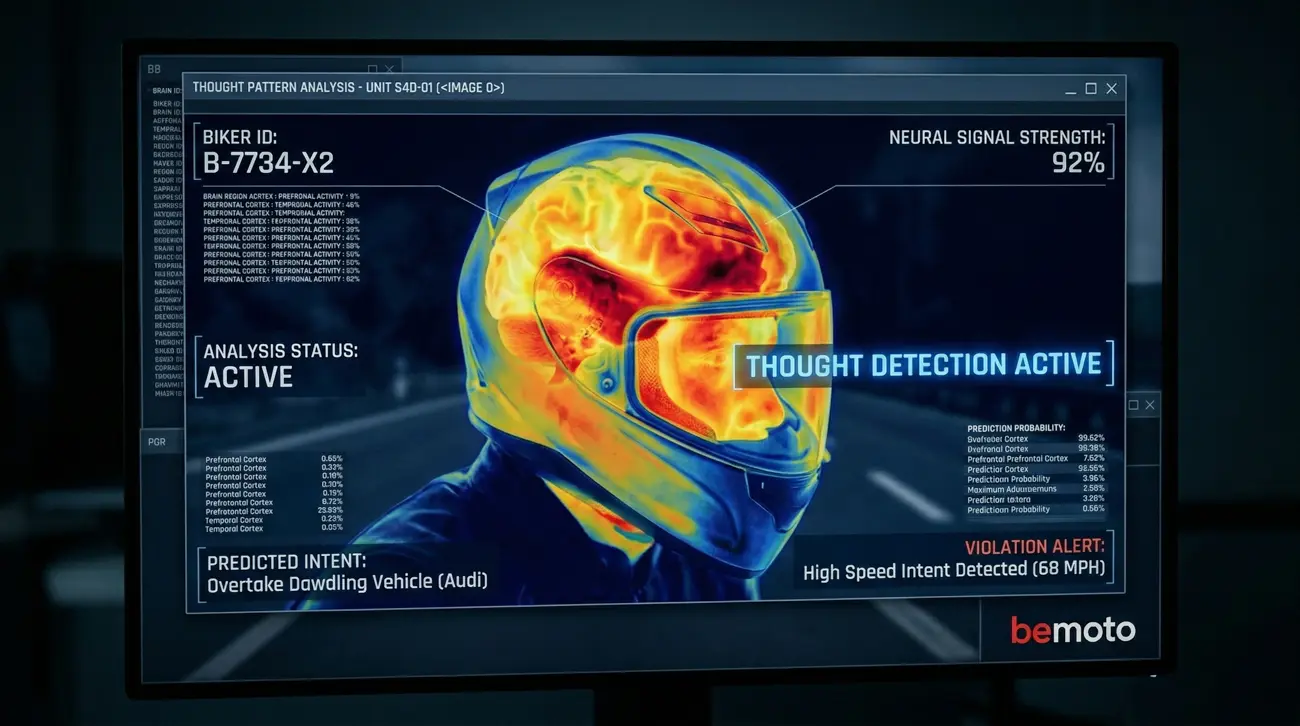
These cameras are a genuine leap in road enforcement. They can indeed check your tax and insurance in a heartbeat. While they won't fine you for thinking about a wheelie, they will certainly catch you if you actually do one. The "4D" part is simply a marketing term for the advanced radar’s ability to track objects in 3D space over time.
The true purpose of these new cameras is to improve road safety by targeting distracted driving. As bikers, we should actually be fans of this. Anything that stops a van driver from texting while pulling out on us is a good thing. The AI isn't there to steal your soul; it’s there to make sure everyone is paying attention.
4. Final thoughts on the 4D Camera Myth
Happy April Fool’s Day from all of us at BeMoto. We hope we didn't give you too much of a scare! The "pre-crime" thought detection might be a joke, but staying legal on the road isn't. Ensure your bike is taxed, your MOT is current, and your insurance is top-tier.
The next time you see a high-tech camera on the M25, you can ride past with a smile. It can't see your thoughts, but it can see your plate. Stay safe, keep your focus on the tarmac, and don't believe everything you read on the first day of April.