A Single-Event Motorcycle Test Could Be On The Horizon
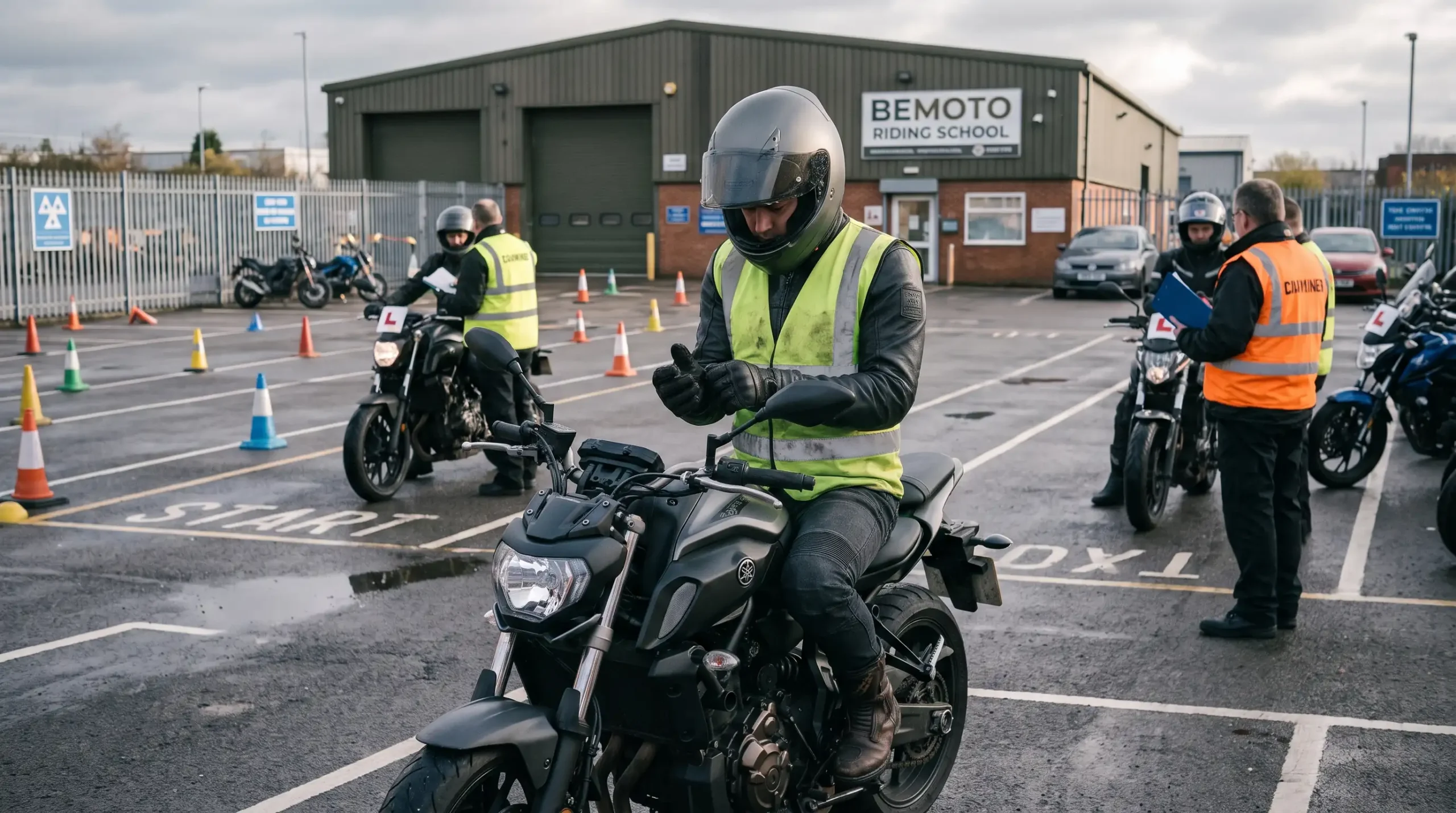
If you’ve been keeping an eye on the latest motorcycle licence changes 2026, you’ll know a major shake-up could be on the horizon. For years, upgrading to a full A1, A2, or Category A licence has meant tackling the dreaded two-part system: Module 1 (off-road manoeuvres) and Module 2 (the on-road assessment).
But what if that hurdle was streamlined? Following a major Department for Transport consultation that officially closed on 31 March 2026, industry bodies like the Motorcycle Industry Association (MCIA) and the National Motorcyclists Council (NMC) are pushing hard to finally replace this setup with a single-event motorcycle test UK.
At BeMoto, we know that getting your licence sorted is just the first step in fuelling your passion. So, let’s cut the jargon and get straight to the point on what these new UK motorcycle test rules might look like and how they could benefit your pocket.
What Are The Proposed Motorcycle Licence Changes For 2026?
Right now, if you want to rip up the L-plates, you have to pass your theory test, conquer the cones in Mod 1, and then prove your road sense in Mod 2. It’s an expensive, time-consuming process that leaves many riders stuck in a loop of renewing their CBTs every two years.
The proposal on the table for the new UK motorcycle test rules is an “incentivised progression pathway.” The standout feature of this is a single-event motorcycle test UK. The goal is to merge the critical off-road control checks with the on-road evaluation into one seamless assessment, saving time, hassle, and cash.
Why Replace Mod 1 And Mod 2 Under The New UK Motorcycle Test Rules?
Simply put, the current system is a bit of a roadblock. The MCIA and NMC have strongly highlighted that the two-part system is increasingly complex, overly expensive, and hasn’t achieved its core goal of improving road safety.
A single-event motorcycle test UK would lower the financial and logistical barriers to entry. We at BeMoto support the proposal; we want to see more riders out there with proper training, wearing the right riding gear, and enjoying their bikes with confidence. Making the test more accessible encourages riders to step up from learner status and get better training in real-world environments.
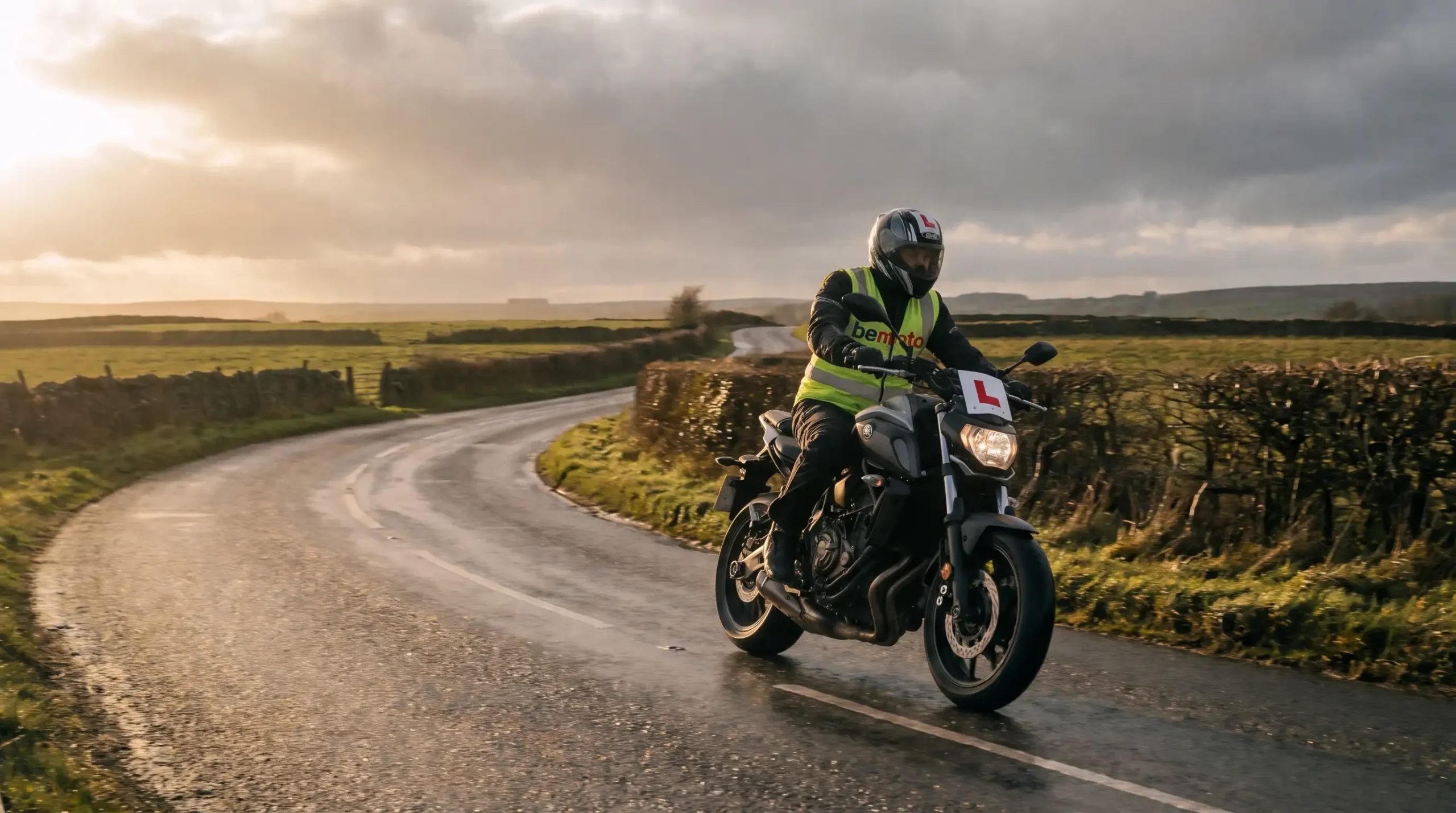
How A Full Licence Benefits Your Motorbike Insurance
We back the work you put into your bike, and we also respect the effort you put into your riding skills. When you finally upgrade from a CBT to a full licence, insurers view you as a statistically safer rider.
Ditching the L-plates is one of the most effective ways to drop your motorbike insurance premiums. It also helps protect your hard-earned No Claims Discount (NCD), as fully trained riders tend to have fewer first-year spills.
Whether you’re eyeing up your first big bike or you’re already looking at a multi-bike policy for a growing garage, getting that full licence opens up cheaper, more flexible cover options. And because BeMoto is run by real motorcycle enthusiasts, we have the insurance tools to support you when you pass your test and need to update your cover. You can just speak to our UK specialist team and we’ll get it sorted.
What Happens Next?
The government’s public consultation officially wrapped up in March 2026, and the industry is currently waiting for the Department for Transport to announce the final legislative rollout as part of their upcoming Road Safety Strategy.
While we wait to see if the single-event motorcycle test UK becomes law, our advice is simple: keep riding, stay safe, and make sure your pride and joy is properly protected.